Waterproofing issues rarely start with dramatic signs. In many homes, it begins subtly, a faint water stain, then a slightly damp corner, or paint that never quite dries properly. These early signals are easy to dismiss, especially when there’s no active leaking. However, by the time water seepage becomes obvious, the damage has been done, and the problem has advanced. Choosing the right waterproofing company is not a luxury; it’s a necessity for a long-term investment in a property’s condition.
Why Waterproofing Problems Are Common in Singapore
Singapore’s climate creates ideal conditions for waterproofing failures. Heavy rainfall, constant humidity, and temperature fluctuations place stress on building materials. Over time, even minor construction imperfections can turn into pathways for water intrusion. Concrete, while strong, is not entirely waterproof and can still allow leaks into your building. Tiny cracks, porous surfaces, and ageing membranes also allow moisture to travel through structures slowly. Because much of this happens beneath tiles, behind walls, or above ceilings, damage often goes unnoticed until visible symptoms start to surface. In high-density housing, waterproofing issues can also affect neighbouring units, making early intervention even more important.
Areas Most Vulnerable to Water Seepage
Certain parts of a building can be more prone to waterproofing failure than others. Bathrooms, balconies, rooftops, planter boxes, basements, and external walls are common problem areas. Bathrooms experience constant water exposure, while balconies and rooftops are subjected to weather changes. Over time, waterproofing membranes in these areas start to degrade. This is common if installation quality is poor or maintenance has been neglected. Many homeowners attempt surface repairs or DIYs such as repainting or sealing visible cracks. While these measures may temporarily improve the appearance, they rarely stop water ingress at its source.
What Separates Reliable Waterproofing Companies from the Rest
Not all waterproofing companies in Singapore approach problems the same way. While some focus on quick solutions that look effective in the short term but fail to address the underlying cause, professional waterproofing specialists start with proper assessment and diagnosis. They examine the part of the house where water is entering, how the water travels through the structure, and why the existing system has failed. This diagnostic phase is critical and often overlooked by less experienced contractors. Clear explanations are given to the homeowner, detailed proposals are drawn, and written warranties are usually signs of a professional operation. Reliable companies are also upfront about limitations and the realistic outcomes of every repair.
Modern Waterproofing Methods and Why Application Matters
Waterproofing technology has evolved significantly. Today’s solutions include cementitious coatings, liquid-applied membranes, polyurethane systems, and injection grouting. Each of these methods serves a specific purpose and must be applied correctly for effective repair. For example, injection grouting is commonly used to stop active leaks by sealing cracks from within.
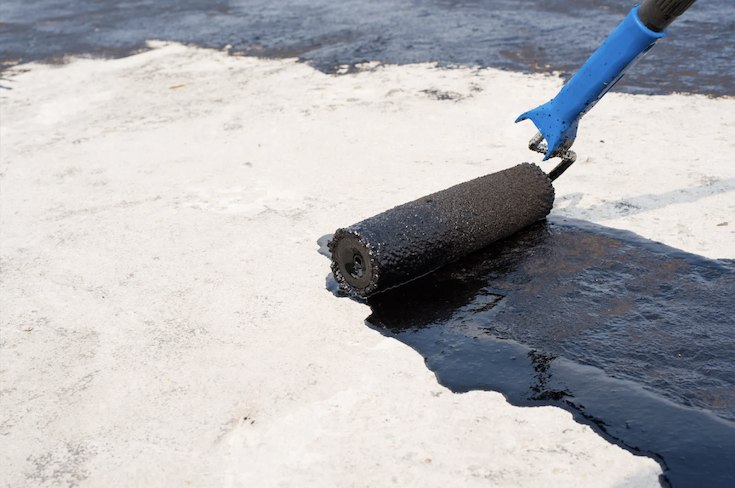
Membrane systems, on the other hand, provide surface-level protection and are often used in wet areas and on rooftops. The effectiveness of any waterproofing method depends less on the product itself and more on surface preparation and artistic skill. Poor application can result in more damage, and it can also cause high-quality systems to fail prematurely.
The Hidden Cost of Choosing Based on Price Alone
If the quality is so good, it’s common for homeowners to worry about the price. However,r Singapore home owners need to know that selecting a waterproofing contractor is based purely on cost. While lower prices may seem like a catch, the quality of the work might be a mess.
You will want to avoid inadequate waterproofing, which often leads to repeated repairs, additional hacking, and prolonged disruption. Water seepage that is not adequately addressed can cause mould growth, structural deterioration, and damage to home finishes.
In some cases, repairs become even more extensive and more expensive. the longer the issue is left unresolved. Engaging professional waterproofing services early often reduces total repair costs over time.
What Homeowners Should Look for in a Waterproofing Specialist
When evaluating waterproofing companies to use in Singapore, experience and focus matter. Companies that specialise in waterproofing tend to have a deeper understanding of common failure points and how to target them. Homeowners should look for clear documentation, examples of past work, and the ability to explain solutions in straightforward terms.
A reliable specialist will assess the situation thoroughly rather than offering a one-size-fits-all solution. For those seeking professional waterproofing services in Singapore that prioritise long-term effectiveness over temporary fixes, working with an experienced waterproofing company is key.
Preventive Waterproofing Is Often Overlooked
Most waterproofing failures do not occur suddenly. Small cracks, membrane degradation, and minor seepage often appear long before significant damage becomes visible. Regular inspection and timely maintenance can identify these early warning signs. Addressing them early usually avoids extensive repairs such as tile removal or structural restoration.
Preventive waterproofing is essential for older properties, rooftops, and areas exposed to constant moisture. It is vital that homeowners prioritise preventive waterproofing to preserve their homes.
Waterproofing and Structural Protection
Beyond surface damage, prolonged exposure to water can weaken concrete structures. Moisture penetration may lead to corrosion of steel reinforcements, causing concrete spalling and compromising structural integrity. These issues are far more complex and costly to resolve than early-stage waterproofing repairs. This is why waterproofing should be viewed as structural protection rather than a cosmetic upgrade.
The Long-Term Value of Proper Waterproofing
Good waterproofing does more than stop leaks. It protects property value, maintains indoor air quality, and reduces the risk of future disputes in multi-unit buildings. In Singapore’s property market, well-maintained homes are easier to sell, rent, and insure. Proper waterproofing contributes quietly but significantly to long-term property performance.
Final Thoughts
Waterproofing problems rarely improve on their own. What starts as a minor inconvenience can quickly develop into structural damage if left untreated. Choosing the right waterproofing company in Singapore requires more than comparing prices; it involves understanding experience, methodology, and long-term reliability. Homeowners who take the time to engage qualified waterproofing specialists often save themselves high costs, stress, and disruption in the future. In the end, good waterproofing isn’t about patching problems. It’s about preventing them.
FAQs
1. Why are waterproofing problems so common in Singapore homes?
Singapore’s heavy rainfall, constant humidity, and temperature changes put continuous stress on building materials, allowing water to seep through cracks, porous concrete, and ageing membranes over time.
2. Which areas of a home are most vulnerable to water seepage?
Bathrooms, balconies, rooftops, planter boxes, basements, and external walls are the most common areas where waterproofing failures occur due to frequent water exposure and weather conditions.
3. How can homeowners tell if a waterproofing company is reliable?
Reliable waterproofing companies conduct proper inspections, explain the root cause clearly, propose targeted solutions, provide documentation, and offer written warranties instead of quick surface fixes.
4. Is preventive waterproofing really necessary?
Yes. Early inspections and timely waterproofing repairs help prevent mould growth, structural deterioration, and costly renovation work, especially in older properties or moisture-prone areas.