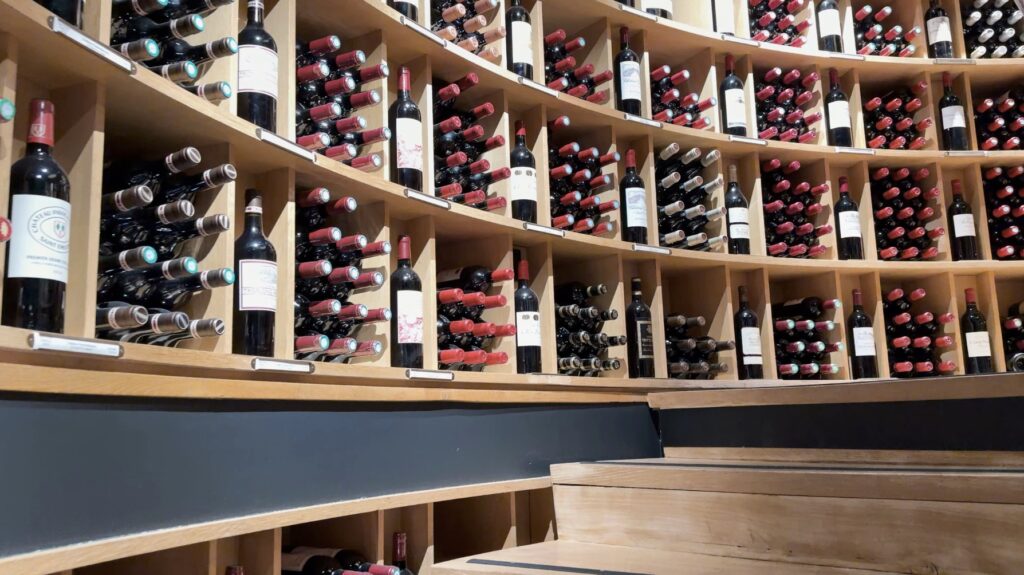
A guide to how fine wine works as an asset in Singapore in 2026, how much it actually costs to begin, and the one step most first-timers get wrong.
Over the years, wine has quietly become one of the most popular alternative assets in Singapore. Unlike fast-moving speculative assets such as cryptocurrencies, wine tends to appeal to collectors who take a longer-term approach to investing.
If this sounds like you, read on.
Is wine a genuinely good investment, or just a nice story?

Honest answer: it can be both, and the two get confused a lot. Certain wines have delivered strong long-run appreciation, particularly blue-chip names from Bordeaux and Burgundy, along with a handful from Champagne, Tuscany, and the Rhône.
The catch is that average returns mask enormous variation between producers and vintages. One producer’s 2015 might climb steadily for a decade while a neighbouring vineyard’s bottle from the same year barely moves.
So it helps to hold two ideas at once. Wine has produced real returns for patient buyers, and most of those returns cluster around a fairly narrow set of wines with proven demand. If you go in expecting every bottle to appreciate, you’ll be disappointed. If you go in treating it like a long-hold asset where selection and condition do the heavy lifting, the picture is a lot more encouraging.
What actually holds value
The wines that reward investors share a few traits. They come from producers with a long, consistent reputation. They’re made in limited quantities, so demand outstrips supply as bottles get consumed over the years. And they age well, which means the drinking window stretches far enough for scarcity to build.
- Bordeaux first growths and their peers remain the backbone of most serious portfolios because their market is deep and well-documented.
- Top Burgundy is smaller in volume and can appreciate sharply, though it’s less liquid and demands more knowledge to buy well.
- Prestige Champagne and select Italian names have broadened the field, giving newer collectors more entry points than they had a decade ago.
- Strong vintages matter enormously. The same label in an acclaimed year behaves very differently from an average one.
None of this requires you to become a critic overnight. It does mean that buying on a whim, or chasing whatever’s trending on social media, is usually the fastest way to end up with wine that’s lovely to drink and hopeless to resell.
How much do you need to begin?
Less than most people assume, and more than the cheapest route suggests. You can make a first meaningful move with a single case of a well-chosen wine, which, in practice, tends to sit somewhere in the low-to-mid four figures, depending on the label and vintage. Plenty of collectors start there, learn the rhythm of buying and holding, and scale up once they’re comfortable.
A sensible early budget accounts for three things, not one: the wine itself, the cost of storing it properly, and a small buffer for insurance and handling. Beginners often budget only for the bottles and get caught out later. Build the running costs in from day one and the maths feels a lot cleaner.
Where collectors buy
There are a few well-worn routes. Established merchants and specialist marketplaces are the most common starting point, since they handle provenance and let you buy known quantities without much drama. Auctions can surface rarer bottles and occasional bargains, but they reward experience and a cool head. And en primeur, where you buy a wine while it’s still in barrel, offers early access to sought-after vintages at the trade-off of a longer wait and more uncertainty.
Whichever route you take, provenance is the thread running through all of it. Who owned the wine, how it was kept, and whether the paperwork is complete will shape what a future buyer is willing to pay.
The step first-timers underestimate: storage
Singapore’s persistent heat and high humidity can accelerate ageing and compromise cork integrity if wine isn’t stored under controlled conditions.
Home storage can feel adequate because the wine looks fine sitting there. Looking fine and being sound are not the same thing.
Serious buyers store investment wine in professional, climate-controlled facilities for exactly this reason. Stable temperature, controlled humidity, low vibration, and proper security aren’t luxuries when the asset is this sensitive.
If you take one thing from this guide, make it this: the right wine investment storage decision protects your buying decision, and preserves provenance and value in Singapore’s climate.
Building a simple first portfolio
You don’t need a complicated strategy to start well. A common approach is to pick two or three proven producers across a couple of strong vintages, buy full cases where you can, and commit to holding for several years rather than flipping on the first bit of good news. Full cases in original packaging generally resell more easily than loose bottles, so that detail earns its keep.
From there, the discipline is mostly about patience and record-keeping. Track what you own, what it’s worth, and where the documentation lives. The collectors who do best tend to be the ones who treat it like a long, quiet position rather than a trade they check every week.
To Conclude..
Fine wine isn’t a shortcut to quick profits, but for patient investors willing to choose carefully and store bottles correctly, it can become a valuable addition to a diversified portfolio. In Singapore, where professional storage and established merchants are readily available, getting started is more accessible than many first-time investors realise.
Frequently Asked Questions
Is wine investment legal and practical in Singapore?
Yes. Buying, holding, and reselling fine wine is entirely legal here, and Singapore has a mature ecosystem of merchants, marketplaces, and professional storage to support it. The practical challenge isn’t legality; it’s protecting the wine from the local climate so it holds its value.
How long should I hold an investment wine?
Most collectors think in years, not months. Blue-chip wines typically need time for scarcity and maturity to build value, so a horizon of five years or more is common. Wine is illiquid, so it suits patient money rather than funds you might need back quickly.
Can I just keep investment wine at home?
You can, but in Singapore it’s risky. Singapore’s persistent heat and high humidity can accelerate ageing and compromise cork integrity if wine isn’t stored under controlled conditions. Serious buyers use professional climate-controlled storage precisely to avoid that quiet erosion.
What’s the difference between drinking wine and investment wine?
Investment wine is chosen for its resale market: proven producers, strong vintages, limited supply, and long ageing potential. Plenty of wonderful wine to drink has no meaningful resale market at all. The two goals overlap sometimes, but buying for investment is a narrower, more deliberate exercise.