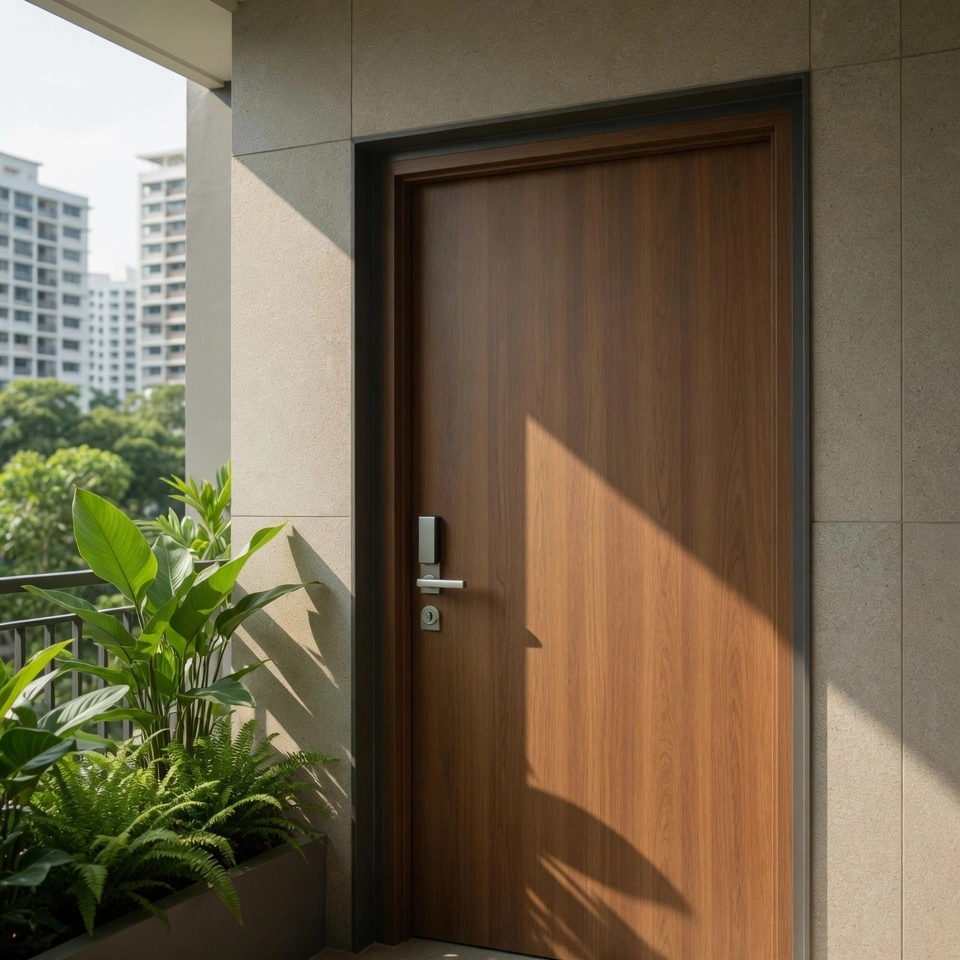
Honestly, picking a premium door supplier in Singapore feels simple until you actually start choosing. There are so many options, and not all doors or suppliers are created equal.
The wrong choice can mean doors that warp, cracks that appear out of nowhere, or worse. Installation delays that throw your whole renovation off.
I once had a friend who bought a “budget” set of metal doors. Delivery took weeks, installation was messy, and within months, one of the hinges bent. You don’t want that headache.
So, how do you avoid all that? Start by knowing what really matters: quality, experience, price transparency, and solid after-sales service. From there, everything else falls into place.
Why Choosing the Right Door Supplier Matters
Singapore already has a dense population, and this extends to all types of residences, such as HDB flats, condominiums, and even landed properties. In any of these homes, doors form an important part of the home, apart from separating the various rooms found within the home. Each doorway is a primary entrance, and it can provide security, give occupants the personal space they require, and help cool or dehumidify the air within the home, to name a few functions. Some doors in Singapore can also save a person’s life and must meet the necessary fire safety policies and regulations.
Hidden Costs of Choosing the Wrong Supplier
The main hidden costs of selecting the wrong door supplier are doors that warp or swell in Singapore’s humid climate; doors that do not fit well, compromising security or aesthetic appeal; delays in door delivery to meet the construction program; thin door warranties that are likely to expire soon, leaving you to bear the repair costs. This is especially critical for main entrance doors that require a special fire rating under HDB and SCDF guidelines.
Criteria for a Good Door Supplier
The first criterion is that a good door supplier supplies doors that last long. The second criterion is that the doors fit well together. The third criterion is that the supplier can deliver and install the doors on time. Last but not least, a good door supplier will also provide you with after-sales support. So it takes some time to select a good supplier, but it is time well spent because you are protecting your investment and your sanity in the long run.
Things to Consider When Choosing a Door Supplier in Singapore
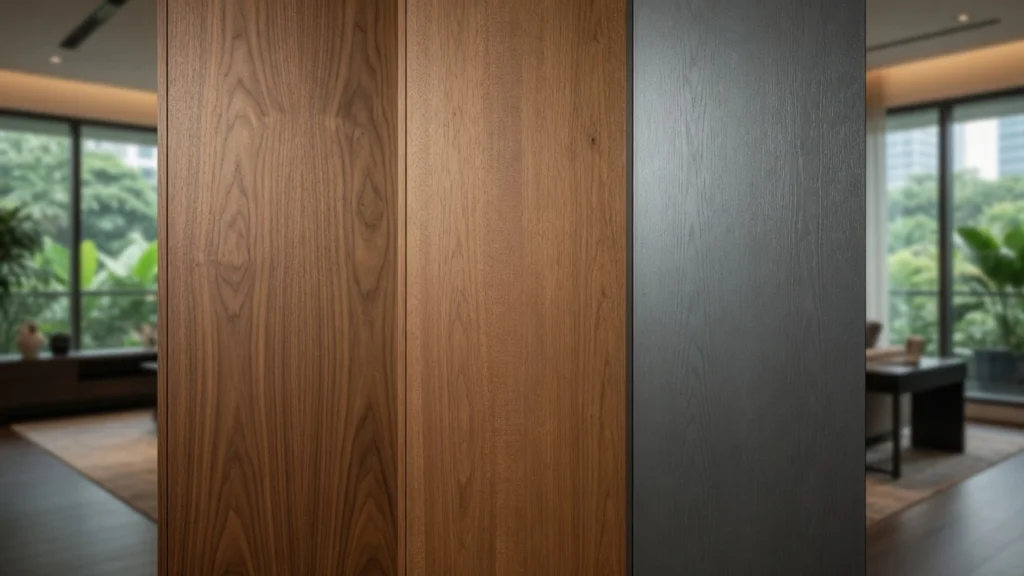
Product Quality and Material Options
There are so many different types of doors available in the market to suit various spaces and interior design themes. For a typical HDB flat, bedroom doors can be made of solid timber or engineered wood in various styles, finishes, and colours to bring warmth into the space. In condo living, steel or composite doors can provide better security for residents. Sliding doors are also a favourite among many homeowners as they help to save space in narrow corridors and small rooms. Fire-rated doors are also available for the main entrance of homes to improve safety in case of a fire.
Check the supplier’s door product quality and materials offered. The supplier should clearly outline the door’s performance characteristics and the materials used. They should also provide relevant certifications and test reports to support their claims. Also, check if the fire-rated main door complies with the HDB’s fire-rated door requirements. In the long run, quality doors and construction will end up being more cost-effective than the cheapest option in the market.
Reputation and Experience
A supplier’s reputation and past projects speak volumes about their capability to serve you well. Look up past customers’ feedback on suppliers’ performance on various platforms like Google, property forums and groups. Look through suppliers’ past work and projects, specifically on similar doors such as HDB bedroom doors, condo entrance doors and office doors.
Suppliers with many years of experience and who have worked on projects in various types of buildings in Singapore (e.g. HDB flats, condo apartments, industrial units) will know what the necessary permits are and how to take accurate measurements of older HDB flats. They will also be able to work well with other related trades to complete the job well. Also, look for suppliers with industry recognition and experience supplying major developers in Singapore.
Customisation and Design Options
Typically, most doors are standard sizes. However, for some older HDB flats or even some condos, the size and shape of the door opening can be quite unique. That is why it is very important to look for a door supplier who can produce made-to-measure doors.
In addition, the door supplier should have a variety of door finishes, colours, and textures for you to choose from so you can match them to your home’s interior design theme. They should also be able to advise on the hardware, such as locks, hinges, and closers, that you would need. Last but not least, they should ensure that the hardware they recommend is compatible with local digital lock regulations where applicable.
Pricing and Transparency
Also consider the price. The cheapest does not always mean the best value for money. Ask suppliers to provide a detailed quote that includes all costs, i.e., the cost of the door, the cost of hardware, the cost of delivery to your home, the cost of installation, and the disposal of any old door(s), if required.
Compare the quotes provided by suppliers for like-for-like products and services before comparing the prices. Lastly, confirm what warranty is provided by the supplier and door manufacturer, and what additional costs apply for factors such as loss of time for non-standard door openings and the cost of a fire-rated door required for the main entrance of the flat. You will be able to avoid surprises down the line by knowing this upfront.
After-Sales Service and Warranty
The after-sales service provided by a door supplier is very important to us. We hope that our supplier can support us with any alterations and repairs needed for the doors installed. The warranty period for both the door and the installation is important to us. In addition, we hope our supplier can advise us on how to maintain the doors so they last longer.
Questions You Should Ask Your Supplier
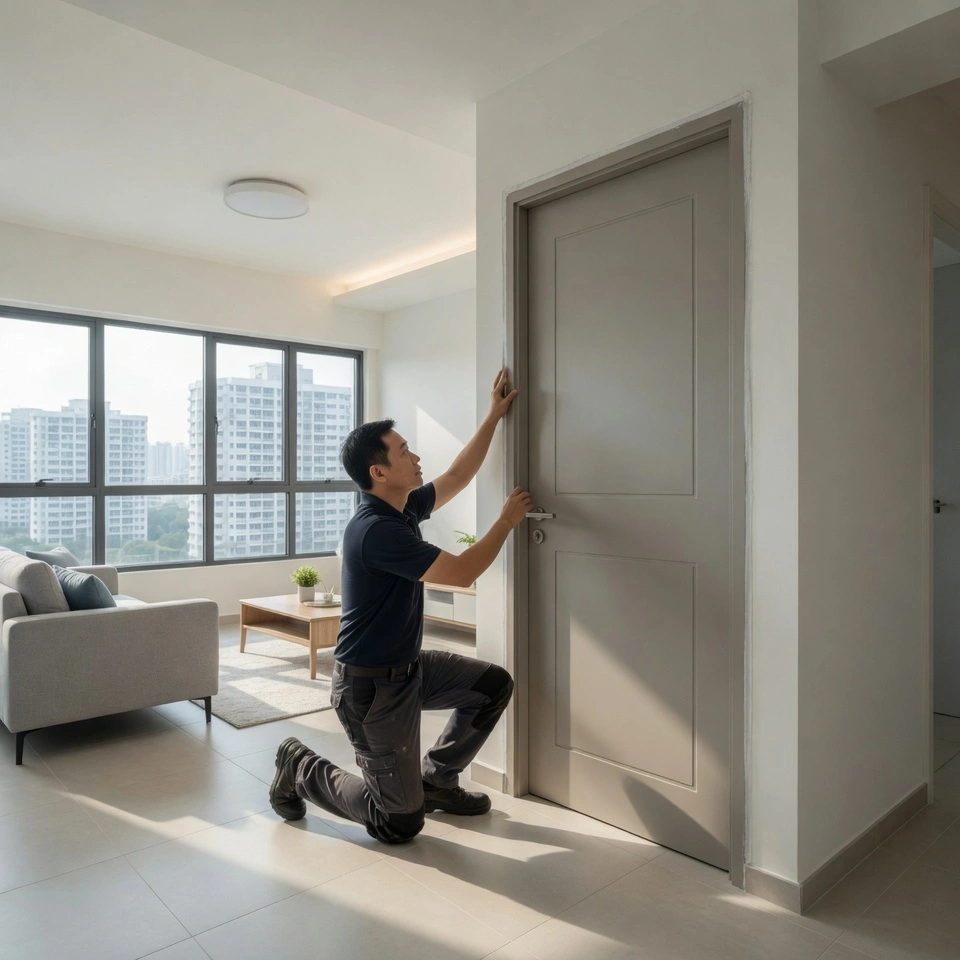
Before signing anything, ask:
- Do you provide installation?
- What warranties do you include?
- Can I see samples or past projects?
- How long is the delivery and installation?
- Do you help with maintenance or repairs?
If they answer confidently, that’s usually a good sign.
Tips for a Smoother Purchase
- Verify Credentials
Make sure the supplier is licensed and certified. Ask for proof, licenses, insurance, anything. It might feel bureaucratic, but it’s better than ending up with unprofessional work.
- Compare Multiple Suppliers
Don’t go with the first quote. Reach out to at least 3–5 suppliers to:
- Spot hidden costs.
- See who gives the best combination of service and quality.
- Understand market pricing.
- Read Reviews and Testimonials
Check multiple platforms. Look for patterns, delays, professionalism, and durability. A supplier with repeated complaints? Red flag.
- Consider Service Beyond the Sale
Good suppliers don’t vanish after the deal is signed. They should answer questions, guide your selection, and support repairs or maintenance.
- Plan Installation in Advance
Timing is everything. Confirm delivery and installation dates to avoid disruptions. Planning ahead also ensures your space is ready and the installation goes smoothly.
Finding a Trusted Supplier Online
For convenience, many reputable suppliers have online catalogues. Look for detailed product info, transparent pricing, and installation support. Don’t just trust the first website you see; do some digging.
Conclusion
Choosing the right door supplier in Singapore is a real investment; your doors need to last, keep you safe, and look good doing it.
Focus on quality, experience, customisation, pricing transparency, and after-sales support.
Ask questions, read reviews, compare quotes, and plan ahead. Do that, and you’ll save yourself stress, money, and a lot of regret. Because at the end of the day, a good door supplier makes everything feel… just a little easier.