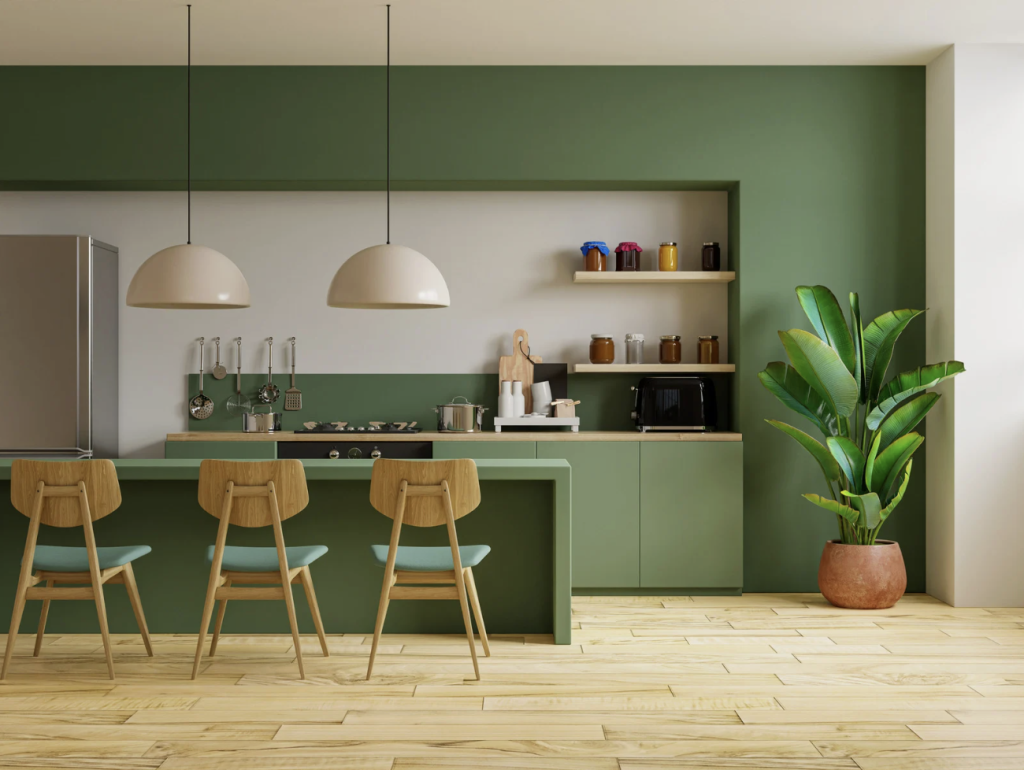
I have always believed that design is less about “putting things in a room” and more about the quiet satisfaction of knowing everything sits exactly where it should.
Maybe that is just me, or it is because I have lived in more small condos than I care to admit, each one teaching me something new about space, impatience, and buying furniture I definitely did not need.
A condo looks simple until you try to fit a sofa, a dining table, and your sanity into 600 square feet. Nothing kills a room faster than a piece of furniture that just does not belong.
I have made that mistake more than once: bought a gorgeous lounge chair, only to realize it swallowed half the living room and left me sitting sideways like a confused yoga student.
So, picking the right condo interior design style is about making your home livable. Feelable. Purposeful.
Below, I will walk you through the process in the most honest way possible. No sugarcoating, no “Pinterest-perfect home in 30 minutes” nonsense. Just clear steps, real considerations, and a few opinions I have gathered along the way.
Start With Your Space (And Be Brutally Honest About It)
Before you dream about colors and couches, take stock of the space you actually have, not the space you wish you had.
Measurements don’t lie. Our optimism does.
Study Your Layout
Condos are famous for their odd corners and 2 cm too-short walls.
Walk around. Take notes. Is there a weird column in the middle of the living room? A window that refuses to align with anything? These details matter.
Furniture should fit with the room, not fight it. When something looks like it is barely squeezing itself in, it throws off the entire energy of the home.
Pay Attention to Light
Natural light can make or break your design choices. My old condo had a gloomy corner that ate every dark piece of furniture I placed there. Light colors saved that space.
- Bright rooms can handle deeper shades and bold accents
- Dim rooms need lighter palettes and reflective materials
Layer your lighting, too. One ceiling light is not lighting. It’s just survival.
Reflect on Your Lifestyle
Ask yourself very real questions:
- Do you host people or hide from them?
- Do you work from home?
- Do you have hobbies that require space?
- Do you secretly need more storage than you are willing to admit?
Your daily habits determine your layout more than any interior design trend ever will.
Pick a Condo Interior Design Style (But Don’t Overthink It)
You don’t need a fancy style label to have a beautiful home. But choosing one helps prevent a chaotic “online shopping cart explosion” aesthetic.
Minimalist
Calm, clean, and honest.
Perfect for people who can’t stand clutter (or claim they can’t).
Try the following:
- White, beige, or gray
- Furniture with hidden storage
- One or two meaningful décor pieces, not ten
Modern
Sleek, smooth, and slightly dramatic, like it is always ready for a photo.
Try the following:
- Straight lines
- Metal and glass
- A bold statement piece (artworks work wonders)
Scandinavian
Soft, warm, simple. The kind of space that makes you want tea even if you don’t drink tea.
Try the following:
- Light woods
- Cozy textiles
- Soft, airy colors
Industrial
Perfect if you love raw edges, metal, and textures that feel “unfinished” on purpose.
Try the following:
- Exposed brick or concrete accents
- Steel elements
- Vintage-style lighting
Eclectic
This is for the brave souls. The collectors. The “I will just mix it and see” crowd. Done well, it is stunning. Done wrong… well, it’s a mess.
Try the following:
- Start with a neutral base
- Layer patterns slowly
- Edit ruthlessly
Choose Your Colors and Materials Wisely
Colors do more than decorate. They guide mood and perception.
Color Tips:
- Neutrals create calm and make small rooms feel bigger
- Pops of color add personality
- Stick to a palette of 2–3 main colors (any more becomes tricky fast)
Material Tips:
- Wood adds warmth
- Glass opens up space
- Metal brings a modern edge
- Quality matters: cheap pieces always look cheap, no matter the style
Maximize Your Small Condo Space
Here is what actually works:
Use Multi-Functional Furniture
- Sofa beds
- Storage ottomans
- Extendable dining tables
These are lifesavers, not style compromises.
Open Up the Layout
When possible, avoid unnecessary partitions. Even swapping heavy curtains for lighter ones can visually expand a room.
Take Storage Seriously
- Vertical storage is magic.
- Built-ins are miracles.
- Floating shelves are the underrated heroes of small spaces.
Light With Intention
Good lighting can make a tiny room feel spacious. Bad lighting can make even a large room feel suffocating.
Add Personal Touches (Your Home Should Feel Like You)
A perfect home without personality feels like a hotel lobby: nice but forgettable.
- Artwork you actually love
- Rugs and textiles that tell a story
- Plants, because a touch of green makes every room feel alive
- One statement piece that feels proudly you
A home should feel familiar, comforting, and occasionally quirky.
When to Get Professional Help
There’s no downside to calling a condo interior designer, as they can utilise their expertise to ensure that you get the home of your dreams.
Hire a Designer If:
- You can’t decide where the sofa should go
- Your layout feels impossible
- You want a polished, cohesive look
- You’re tired of returns and “oops, it doesn’t fit” moments
What They Actually Do:
- Maximize your layout
- Suggest colors that won’t betray you
- Source quality furniture
- Create harmony in your space
A condo interior designer won’t erase your ideas; they refine them.
Final Thoughts
A condo does not forgive design mistakes easily — there’s simply not enough space to hide them. So take your time. Rearrange things. Sit in the room at different hours. Notice how the light changes, how the space feels after a long day, and which items make you smile versus the ones you tolerate.
Homes are not meant to be “finished.” They grow with you. And if something you bought doesn’t work? That’s life. Move it, repurpose it, or let it go. Your home should feel like a place you return to, not a puzzle you’re constantly trying to solve.