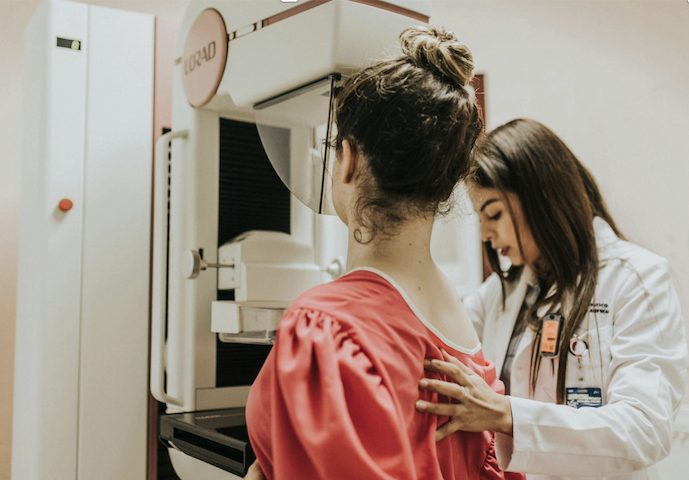
What does a mammogram typically involves? When you should consider going, what the experience is really like, and how to choose a centre you feel comfortable with.
Read on for answers to all of these questions and more.
What exactly is a mammogram, and why is it important for women in Singapore?
A mammogram is a specialised X-ray of the breast that looks for changes you usually can’t feel with your hands.
During the scan, each breast is gently compressed for a few seconds. That pressure helps spread the tissue so the images are clearer. It’s quick, and while it can feel uncomfortable, it shouldn’t be painful for most women. Sensitivity can vary, though.
You may hear two terms:
- Screening mammography
- Diagnostic mammography
Screening is for women who feel well and have no symptoms. Diagnostic mammography is more targeted and done when there’s a lump, pain, or an area that needs a closer look.
The reason mammography in Singapore is so strongly encouraged is simple: breast cancer caught early is often easier to treat, with more options and less aggressive care. And yes, it’s still recommended even if you feel perfectly fine.
Early breast changes rarely cause pain or visible symptoms.
When should you start mammography screening in Singapore?
For women at average risk, current Health Promotion Board (HPB) and Healthier SG guidelines generally recommend starting regular screening from age 50, with a mammogram done once every two years. This age group benefits the most because breast cancer risk increases with age, even if you feel healthy and have no symptoms.
If you’re between 40 and 49, screening isn’t automatic for everyone, but it’s still worth a conversation with your doctor. Some women choose to start earlier based on personal comfort or medical advice.
For example, a woman in her early 40s who has dense breast tissue may be advised to screen earlier for clearer monitoring.
Once you’re 50 and above, sticking to the recommended schedule is important. If you have a family history of breast cancer, previous breast conditions, or other risk factors, your doctor may suggest starting earlier or screening more often.
A short discussion with your GP can help tailor a screening plan that fits your personal risk—without jumping to conclusions or unnecessary tests.
How much does a mammogram cost in Singapore, and are there subsidies?
In Singapore, subsidies are available for eligible women through the national Screen for Life programme. Generally, Singaporean women aged 50 and above (and some aged 40–49, based on guidelines) can receive subsidised mammography at participating clinics, with out-of-pocket costs kept low.
In some cases, subsidised screening may also be offered through mobile services such as the Mammobus, which brings mammography to community locations and workplaces. Eligibility and scheduling vary, so checking with your GP or Screen for Life listings can help you see if this option is available near you. They can also confirm referral details.
There are differences between subsidised and private mammography.
Subsidised options may involve longer waiting times and fewer appointment slots Private centres often offer faster scheduling, newer imaging technology, a quieter environment, and quicker report turnaround—features some women value, especially when juggling work or caregiving.
A working mother may choose private mammography screening in Singapore simply because she can book an early-morning slot and get results sooner.
Women aged 50 and above can typically use MediSave to offset the cost of screening mammography. But it’s subject to prevailing limits and clinic eligibility. Rules can update, so it’s always worth confirming when you book.
Pick what fits your needs, budget, and comfort level, without feeling rushed or pressured.
How can you prepare for a mammogram to make it more comfortable?
Most of preparation is simple, practical, and easy to forget.
What to wear (and what to skip)
On the day of your appointment, choose two-piece clothing. You’ll only need to undress from the waist up, which feels far less awkward than changing completely.
Try to avoid deodorant, perfume, talcum powder, or lotions on your chest or underarms. These products can show up as white marks on the images and may lead to unnecessary repeat scans.
Timing can make a real difference
If you’re still menstruating and your cycle is regular, consider booking your appointment about a week after your period ends. Breasts are usually less tender then, which can reduce discomfort during compression.
Don’t forget to bring…
If you’ve had a mammogram before—whether in Singapore or elsewhere—bring along previous reports or images if you have them. Comparison helps radiologists spot changes more accurately. Also, jot down any symptoms, even if they seem minor, on your phone or a scrap of paper so you don’t forget in the moment.
One last tip: if you’re nervous, say so. Radiographers are used to it and can guide you through each step calmly. Preparing well isn’t about doing everything perfectly, it’s about giving yourself the most comfortable experience possible.
What actually happens during the mammography appointment?
Once you check in, a radiographer will explain the process and answer any last-minute questions.
You’ll be walked into the imaging room, which is often kept cool. Each breast is positioned carefully on the machine. The radiographer will likely adjust the height of the machine for you. The compression lasts only a few seconds per image, and you can always ask for a short pause if you need one.
The imaging itself is quick. In most cases, the entire appointment—changing, scanning, and getting dressed again—takes about 20 minutes. Many women are surprised by how fast it’s over.
After the scan, the images are reviewed by a radiologist. Results timing can vary. Some centres provide reports within a few days, while others may take a little longer.
If the images show something unclear, you may be called back for additional views or an ultrasound. This doesn’t mean there’s cancer. Often, it’s simply because overlapping tissue needs a clearer look.
Is mammography painful or unsafe? Addressing common fears honestly
Many women worry about pain and radiation before their first mammogram. The compression can feel uncomfortable, especially if your breasts are sensitive. But it usually lasts only a few seconds. That pressure is what allows clearer images, so small changes aren’t missed.
As for safety, mammography uses a very low dose of radiation. It’s comparable to everyday background exposure you’re already getting over time. And far, far below levels known to cause harm.
If you’re anxious, a few small things help:
- Book your scan when your breasts feel least tender
- Breathe slowly. It helps during positioning.
- Tell the radiographer if you’re uncomfortable
How do you choose a good mammography centre in Singapore?
Look at who is reading your images
One of the most important factors is radiologist experience.
Centres with radiologists who regularly interpret breast images tend to spot subtle changes more accurately. Some clinics work with breast-focused imaging teams rather than general radiology pools. This can be reassuring if it’s your first mammogram or you’re feeling anxious.
Pay attention to the technology used
Not all mammograms are done with the same equipment.
Most centres use digital mammography, while some also offer 3D mammography (tomosynthesis). Tomosynthesis captures multiple thin images of the breast, which can be helpful for women with denser breast tissue.
Asking “what type of imaging do you use, and why is it right for me?” gets you the answers that matter.
Comfort, privacy, and communication
Consider how appointments are scheduled, whether staff takes time to explain the process, and how they communicate results. Knowing exactly what will happen next—and when—reduces a lot of stress, especially if they need another look.
When evaluating options, you might come across a dedicated diagnostic imaging centre offering private screening. Women who choose these often mention prioritising specialised staff, modern equipment, and a smooth process.
Hearing what others value can help you benchmark what good care feels like to you—without feeling pressured to choose any specific provider.
Taking the Next Step at Your Own Pace
Regular screening is simply about giving you the chance to stay ahead — calmly. If anything, asking those questions means you’re already taking your health seriously.
We encourage you to talk through your personal risk factors and preferences with a doctor you trust, so your next step is a truly informed one.
If you are unsure when to start screening, discuss your risk factors with a GP.